

Four points where the owner meets taxes
An apartment owner in Thailand has exactly four points of contact with the tax system: the day of registration of the transaction, the annual bill for ownership, the income from renting, and the day of resale. All. No tax on “second property”, no fees for sea views.
The good news is that the total tax burden is one of the lowest in Asia. The bad news is that foreign owners often fail to pay taxes for years simply because they are unaware of them, and then the surprise comes at the most inconvenient time — during the sale. Below, we will provide you with a detailed explanation of the taxes that property owners must pay.
Taxes on purchase: transfer fee and who pays it
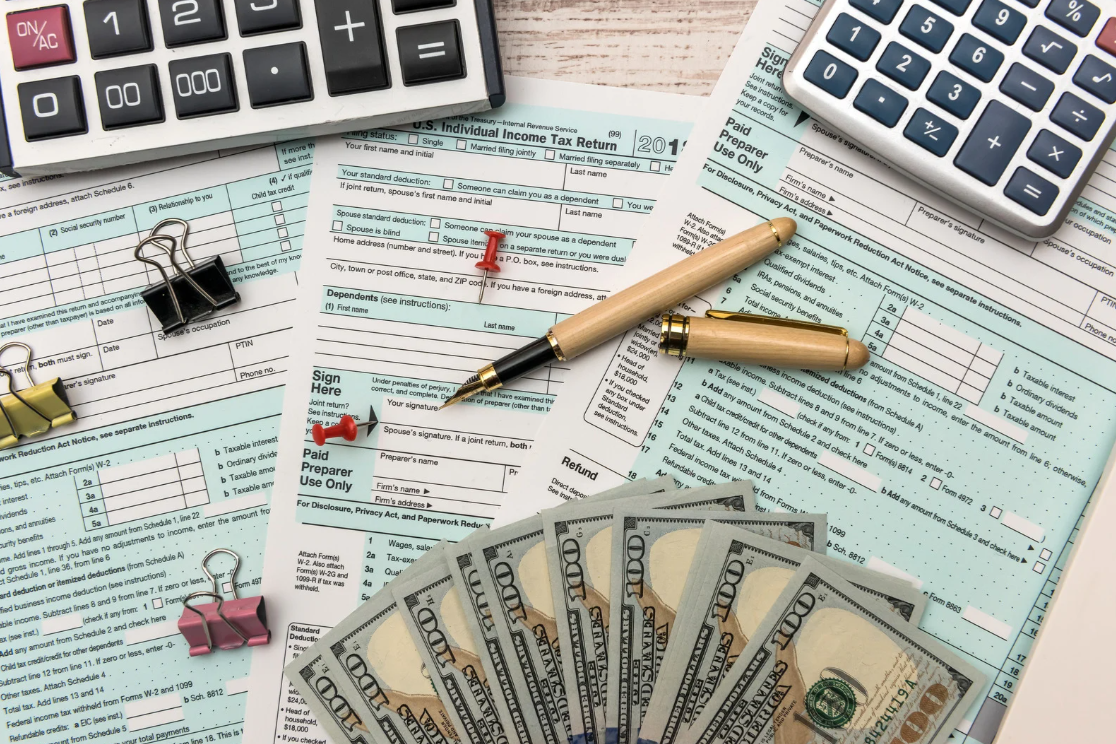
The basic registration fee is the transfer fee, which is 2% of the estimated value of the property according to the law, but it is actually higher. An important detail is that it is calculated not from the price in the contract, but from the estimated value determined by the Land Department. The estimated value is usually lower than the market price, so the actual payment is lower.
New building from the developer
The condominium law limits the developer’s appetite: the buyer of a new condominium cannot be charged more than half of the re-registration tax. The developer is solely responsible for the special business tax and the seller’s income tax. The buyer is responsible for the sinking fund and the installation of meters, but these are one-time condominium fees.
Secondary market
Here, the law is silent, and the contract decides everything. The established practice in Pattaya is that the taxes for re-registration are divided in half. However, this practice is not a guarantee. The distribution of taxes is specified in the deposit agreement before the deposit is made.
In general, add 5-8% to the purchase price for taxes and related expenses. We have a detailed cost estimate in a separate article about expenses separate article about expenses, and the purchase process is described step by step on the purchase page.
The main condition for a foreigner is unchanged: the money must come from abroad in foreign currency, and the bank must issue a FET form. Without this form, the Land Department will not register the apartment in your name.
Annual Tax: Land & Building Tax (Land Tax)
It has been in effect since 2020 and is almost symbolic for housing. Rates for residential purposes start at 0.02% of the estimated value: for a typical condominium worth 3-5 million baht, this results in an annual bill of several hundred baht
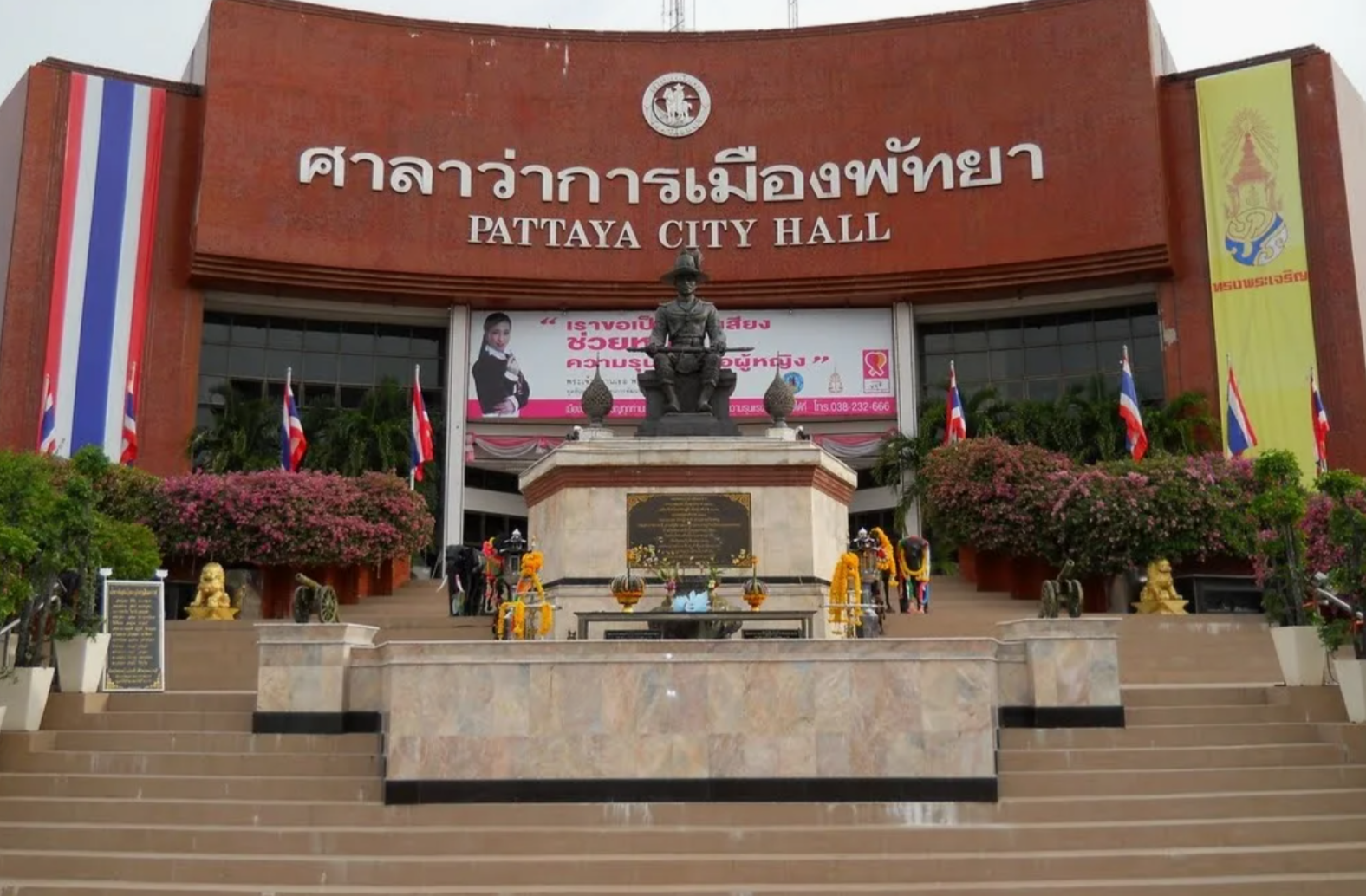
The bill is issued by the municipality (for Pattaya – City Hall), notifications come at the beginning of the year, it is usually necessary to pay by the end of July – in the municipality itself, through a bank or representative.
A moment that is rarely warned about. Unpaid tax accumulates penalties and comes to light when you resell — the registrar checks the debt, and the deal stands until the debt is cleared.
Letters from City Hall come in Thai and to the condo address. If you don’t live in Thailand, arrange with your condominium management company to have the bills forwarded to you.

Taxes on sale
They are not counted by a lawyer or an agent, but by the Land Office registrar on the day of the transaction, and they are paid on the spot. The composition is as follows:
- seller’s withholding tax: for an individual, the calculation is based on the estimated value using a progressive scale adjusted for the length of ownership. For a company, the fixed rate is 1% of the higher of the two prices.
- specific business tax of 3.3% of the higher of the prices if less than 5 years have passed since the right was registered.
- stamp duty of 0.5% instead of specific business tax if the five-year period has been met.
- transfer fee of 2% is divided according to the agreement between the parties.This is the main planning conclusion: selling in the fourth year of ownership and in the sixth year are two different things. The five-year specific business tax limit is another argument in favor of a 3-5-year or longer holding period, which we include in all investment calculations.
How to pay if you are not in Thailand
It is worth considering the working scheme of property ownership in advance. If a long-term lease is planned, a Thai bank account may be required to receive rental payments, but it has become significantly more difficult for foreigners to open a bank account today, as requirements vary depending on the bank, visa type, and other factors. To manage the property, many owners also issue a power of attorney to a lawyer or a management company that helps with billing, communication with the condominium management company, and other organizational matters.
It is recommended to keep all documents related to the purchase and ownership of the property. When the apartment is subsequently sold, the bank or government authorities may request proof of the origin of funds and documents related to the transaction. For properties purchased by foreigners, it is also important to keep the FET (Foreign Exchange Transaction Form), as this document confirms the transfer of funds from abroad and may be required for the repatriation of money.
Common mistakes of owners
- do not specify the distribution of taxes in the contract of sale and purchase of a second-hand apartment
- throw away the FET form and tax receipts, and then prove the origin of the money to the bank
- ignore letters from the municipality because “everything is in Thai”
For more information, see the guide on how to buy an apartment as a foreigner.
Conclusion
The problem may not be the high taxes, but because if you do not pay the bills and do not report the apartment for rent, then these debts may come up on the day of sale. To avoid problems, as soon as you became the owner of the apartment, you need to conclude a contract with a management company and instruct it to monitor all bills and payments. Then the taxes will turn into two small and predictable payments per year.
You can choose an apartment that is suitable for this strategy. You can choose an apartment under this strategy that costs up to 5 million baht.


